

History And Architecture Of The Ancient Jyotirlinga
The Trimbakeshwar temple visit is a cornerstone of the spiritual journey for millions of devotees who travel to the source of the Godavari river. This ancient structure, built by Nanasaheb Peshwa in the 18th century, stands as a testament to the intricate craftsmanship of the Maratha era. The temple is constructed entirely of black stone and is renowned for its unique lingam, which features three faces representing Lord Brahma, Lord Vishnu, and Lord Mahesh. Unlike other Shiva temples where the lingam is a single stone, this configuration is a rare occurrence in the Hindu pantheon, drawing researchers and pilgrims from across the globe. When you stay at a local Resort, you have the advantage of reaching the shrine during the early morning hours when the air is filled with chants and the atmosphere is most serene. The surrounding Brahmagiri hills provide a protective embrace to the town, with the peak being the actual origin point of the sacred river. Exploring the temple's outer walls, you will notice detailed carvings of deities and mythological scenes that have survived centuries of weather and time. This architectural marvel is not just a place of worship but a historical landmark that reflects the religious continuity of the Maharashtra region. Understanding the history before you enter the sanctum sanctorum enriches your experience, allowing you to appreciate the cultural depth of every ritual performed within these hallowed walls.
Essential Rituals And Darshan Timings For Devotees
Navigating the rituals and timings is a key part of ensuring a smooth Trimbakeshwar temple visit, as the shrine is often crowded with devotees. The temple typically opens at 5:30 AM and remains accessible until 9:00 PM, though special ceremonies like the 'Abhishek' are performed during the early hours. For those seeking a deeper spiritual engagement, participating in the 'Kaal Sarp Dosh' or 'Narayan Nagbali' pujas is common, but these require prior booking with certified priests. If you have specific questions about local arrangements, you can browse our FAQs to find answers to common travel queries. We recommend arriving at the town at least an hour before your intended darshan time to navigate the security queues and find suitable locker facilities for your belongings. Dress code is generally traditional, with men required to wear dhotis for certain special pujas, though standard modest attire is sufficient for general viewing. The energy inside the temple is palpable, with the rhythmic sound of bells and the fragrance of incense creating a meditative state. It is important to remain patient and respectful of the local customs, as the flow of people is managed by the temple trust to ensure everyone gets a moment of reflection. After the darshan, many pilgrims choose to sit by the Kushavarta Kund, the sacred pond where the Godavari river reappears, symbolizing a spiritual cleansing that completes the pilgrimage cycle.
Logistics Of Traveling From Nashik To Trimbak
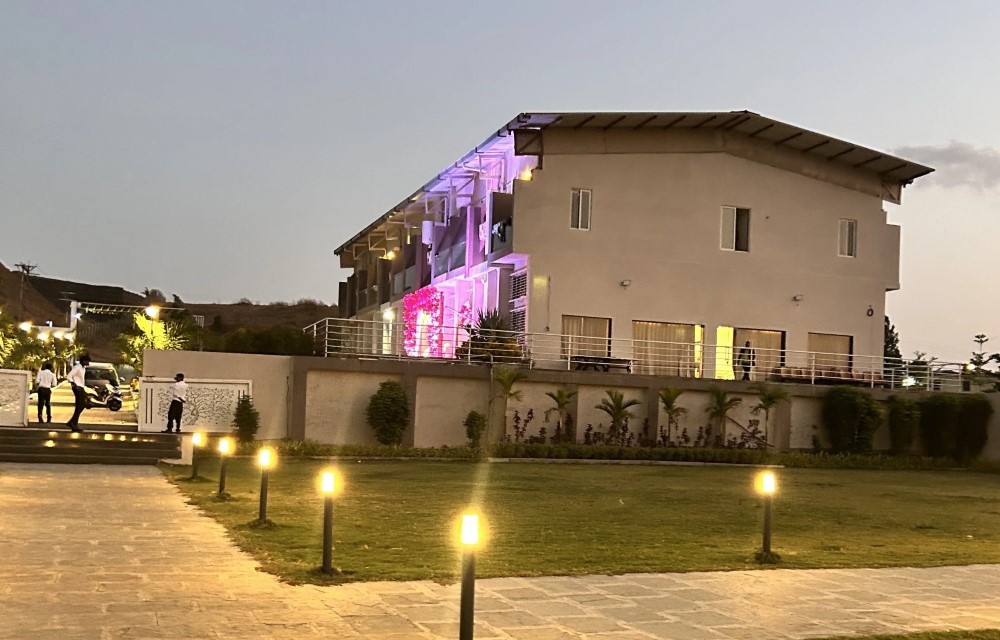
The journey from the main city to the holy town takes about forty minutes by road, offering scenic views of the Western Ghats along the way. Most travelers prefer to book their stay at a Boutique Resort in Pimplad to enjoy a quiet environment away from the busy pilgrimage corridors. This strategic location allows you to balance your spiritual duties with the comfort of modern amenities and private relaxation. Public transport options include regular state buses and private taxis, but having a dedicated vehicle provides the flexibility to explore nearby sites at your own pace. The road is well-maintained and passes through beautiful stretches of farmland and small villages, giving you a glimpse of rural life in Maharashtra. For those interested in the visual beauty of the route, our Gallery features landscapes that capture the essence of the Sahyadri range. It is advisable to avoid visiting during major festivals like Maha Shivratri unless you are prepared for extremely large crowds and long waiting times. During regular weekends, the town is busy but manageable, with plenty of local markets selling religious artifacts, traditional snacks, and copperware. Planning your departure early in the morning will help you beat the traffic and ensure you have enough time to visit the nearby hills and waterfalls that dot the region.
Exploring Nearby Spiritual And Natural Landmarks
A Trimbakeshwar temple visit is often the primary focus, but the surrounding area is rich with other significant sites that deserve your attention. The trek to the top of Brahmagiri hill is a rewarding experience, leading you to the exact spot where the Godavari begins its long journey across the Deccan plateau. The path involves climbing several hundred stone steps, but the panoramic views of the valley from the summit are truly breathtaking and well worth the effort. Along the way, you can visit the Gorakhnath caves where saints are said to have meditated for centuries, adding a layer of mystic charm to your hike. For more inspiration on where to go, check out our Nearby Attractions page, which lists both popular and hidden spots in the area. Another nearby site is the Anjaneri hill, believed to be the birthplace of Lord Hanuman, which offers both spiritual significance and a moderately challenging trekking route. These excursions provide a perfect balance to the temple visit, allowing you to connect with the natural world that has inspired spiritual seekers for generations. The combination of intense devotion at the shrine and the quiet solitude of the hills creates a holistic travel experience that nourishes both the soul and the body. Whether you are a dedicated pilgrim or a casual traveler, the diversity of these landmarks ensures that your trip to the heart of the Western Ghats is multifaceted and memorable.
The Importance Of Sustainable Pilgrimage Practices
As the number of visitors to holy sites increases, the need for mindful and sustainable travel practices becomes more critical for the preservation of these areas. During your Trimbakeshwar temple visit, we encourage you to minimize the use of plastic and ensure that any offerings are disposed of in designated areas to protect the sacred Kushavarta Kund. Many local communities are working to maintain the cleanliness of the river source, and your cooperation as a traveler is vital to their success. Choosing to stay at an eco-conscious Property further supports these efforts, as these establishments often implement waste management and water conservation programs. Supporting local artisans by purchasing handmade goods rather than mass-produced souvenirs also contributes to the economic stability of the region. Being a responsible pilgrim means respecting the silence of meditation areas and being considerate of other devotees who have traveled long distances to be there. This ethical approach to travel not only preserves the environment and heritage for future generations but also enhances your own sense of peace and fulfillment. By walking softly on this sacred land, you align yourself with the spiritual values of harmony and respect that the temple itself represents. This shift toward conscious tourism is essential for the long-term health of our historical landmarks and the natural ecosystems that surround them, ensuring they remain vibrant and accessible for centuries to come.
Planning Your Ideal Spiritual Retreat In Pimplad
Creating a balanced itinerary is the key to a successful spiritual retreat, allowing time for both communal worship and private contemplation. We recommend dedicating at least three days to your Trimbakeshwar temple visit and the surrounding explorations to avoid the fatigue of a rushed schedule. Spend your first day settling into your accommodation and perhaps visiting a local vineyard or taking a quiet walk through the village of Pimplad. The second day can be dedicated to the early morning darshan and the Brahmagiri trek, followed by an evening of relaxation back at the resort. Use your final day to explore the local markets or visit the Anjaneri hills before heading back to the city. For more tips on how to structure your stay, our Blogs provide various perspectives on seasonal travel and cultural events. This paced approach ensures that you return from your trip feeling rejuvenated rather than exhausted. The peace of the rural landscape provides a perfect environment for integrating the spiritual lessons learned during your visit to the shrine. By stepping away from the daily grind and immersing yourself in the traditions and nature of Maharashtra, you open yourself up to a transformative experience. Our team is always ready to help you customize your stay to match your personal goals, whether you seek a rigorous pilgrimage or a gentle escape into the divine beauty of the Western Ghats.